⚠️ Note: AI returned incomplete/malformed JSON. Showing raw output.
You have finished your manuscript. The cover looks stunning. You hit publish. Now you are staring at a marketing budget that feels too small for the ambition you have for your book. You inevitably ask the question every author asks eventually: Is a Goodreads Giveaway worth the money?
In 2026, the answer is complicated.
If you are looking for immediate sales royalties to pay back that $119 fee, the answer is almost certainly no. However, if you are playing the long game of algorithmic visibility and "social proof," the answer might be yes.
Goodreads remains the massive elephant in the room of book marketing. It is where the readers are. But simply being where the readers are does not guarantee they will care about your book. I have spent years analyzing book launch strategies, and I have seen authors waste thousands on "visibility" that never converted to a single sale. I have also seen authors use Goodreads to launch a series that pays their mortgage.
Here is the truth about the ROI of Goodreads Giveaways in 2026.
Too Long; Didn't Read
- It is not for sales: Do not expect a direct return on investment (ROI) in royalties. The primary value is the "Want to Read" shelf additions.
- Review rates are low: Expect only 20% to 25% of winners to actually leave a review.
- The $119 tier is sufficient: The Premium $599 package rarely offers enough extra value for indie authors compared to the Standard package.
- Ebook vs. Print: KDP authors can give away ebooks cheaply, but print books tend to generate higher quality engagement from readers.
The Straight Answer: Is It Worth $119?
Let’s rip the bandage off immediately. If you pay $119 for a Standard Goodreads Giveaway, you will likely not make $119 back in immediate sales.
The math rarely works out in your favor for direct income.
However, viewing this tool as a sales machine is the wrong way to look at it. You are paying for data placement.
When a reader enters your giveaway, Goodreads automatically adds your book to their "Want to Read" (WTR) shelf. This is the secret weapon of the platform. When a user adds a book to their shelf, that action appears in the newsfeeds of their friends. It creates a ripple effect of awareness.
According to data from user reports, a typical giveaway can generate a median of 800 entries over a three-week period. That is 800 people who now have your book tagged on their profile. If each of those people has 20 friends, your cover just flashed in front of thousands of potential eyeballs.
Is that visibility worth $119? That depends entirely on your backend strategy. If you are creating a winning book marketing plan that relies on wide visibility to trigger Amazon's algorithm, this is a valid expense. If you are just hoping 800 people will buy the book next week, you will be disappointed.
The Data: What to Expect in 2026
Marketing is not about feelings; it is about numbers. Before you hand over your credit card, you need to know what the average results look like in the current market.
The days of 2011 where you could get hundreds of reviews from a single giveaway are gone. In 2026, the ecosystem is noisier, and readers are more distracted.
Realistic Expectations for Your Campaign
Metric Expectation Why it Matters Cost $119 (Standard) or $599 (Premium) The barrier to entry eliminates some low-quality spam, but it hurts indie budgets. Entries 800 to 2,000+ High entry numbers look good, but remember many are "compers" (people who enter everything). Want-to-Read Adds Equal to Entries This is the permanent asset you are buying. These users get notified when you discount the book later. Actual Reviews 5% to 25% of winners Winners are not obligated to review. Most will just take the free book. Sales Bump Negligible during giveaway Sales might tick up after the giveaway if you run a price promotion to target those WTR lists. Recent discussions from authors suggest that entries can range widely, with some reporting over 14,000 entries for high-profile books, while others settle around 334.
One author noted getting 2,240 entries for a 100-ebook giveaway. That sounds incredible, but you must ask yourself: how many of those 2,240 people actually read the genre?
The "Want to Read" Algorithm Strategy
The smartest authors use Goodreads Giveaways for one specific purpose: The Kindle Deal Alert.
Here is the workflow that actually makes money:
- Run the Giveaway: Pay $119. Get 1,000 people to add the book to their "Want to Read" shelf.
- Wait: Let the giveaway end.
- Drop the Price: Two weeks later, discount your ebook to $0.99 on Amazon.
- The Trigger: Goodreads often sends an email notification to users who have a book on their WTR shelf when that book goes on sale.
You are not paying $119 for the giveaway winners. You are paying $119 to build a list of 1,000 people who might get an email from Goodreads when you drop the price. It is an expensive way to build a notification list, but for authors who struggle with newsletter signup forms, it functions as a rented email list.
The Review Problem: Why Winners Don't Review
If you are running a giveaway specifically to get more reviews, stop. There are better, cheaper ways to do this, such as finding beta readers and critique partners who are invested in your success.
Goodreads historically claimed high review rates, but author experiences vary wildly. One author reported receiving reviews from only 23% of winners. Another received a single 2-star review after giving away dozens of copies.
The "Freeloader" Factor
A significant portion of the Goodreads user base treats the giveaway section like a slot machine. They enter every giveaway available, regardless of genre. They use scripts or manual persistence to win books they have no intention of reading.
Even worse, physical copies won in giveaways often end up on eBay the next week. Authors have reported that winners resell the books rather than reading them. This is heartbreaking for an author who paid for the book, the shipping, and the platform fee, hoping for a reader connection.
Free AI Writing ToolStop Staring at a Blank Page
Publy is a distraction-free book editor with AI built in. Brainstorm plot ideas, get instant chapter reviews, or rewrite clunky paragraphs. 3 million free words included.
AI Chat + Ideas Review + Rewrite Export PDFStart Writing Free
Standard ($119) vs. Premium ($599)
Goodreads offers two tiers. Is the Premium tier a scam?
Not exactly, but for 99% of indie authors, it is unnecessary.
Standard Package ($119):
- List your giveaway.
- Up to 100 copies (Kindle) or unlimited (Print).
- Standard placement in the giveaway section.
Premium Package ($599):
- "Featured" placement (more visibility).
- Premium email placement.
The Premium package promises more eyeballs. However, unless you are a major publisher with a massive budget, the $480 difference is better spent on Amazon Ads or Facebook Ads. If you are curious about how those ad platforms compare, check out our guide on Facebook Ads vs Amazon Ads: Which Sells More Books?. You will likely get a much higher measurable ROI from $480 in targeted ads than from "featured placement" on a giveaway site.
Ebook vs. Print: Which Performs Better?
Since 2018, KDP authors have been able to give away Kindle ebooks directly through the platform. This is significantly cheaper and easier than mailing physical copies.
The Case for Ebooks:
- Cost: Zero shipping. You pay the $119 fee, and Amazon handles the delivery of up to 100 copies.
- Speed: Winners get the book instantly.
- Volume: You can give away 100 copies easily, maximizing the number of people who actually possess your book.
The Case for Print:
- Perceived Value: Readers value a physical object more than a digital file.
- Review Commitment: A reader who waits for a physical book to arrive in the mail is often more psychologically committed to reading it.
- Social Shares: Winners are more likely to post a photo of a physical book on Instagram or TikTok. If you are trying to generate content for social media, this matters. (Need ideas? See 50 BookTok Ideas for Introverts).
SpreadsheetThe Self-Publishing Launch Checklist (2026)
A week-by-week spreadsheet that walks you through every step of launching your book. Available as an Excel file and Google Sheet.
8-week pre-launch plan Launch day battle plan Post-launch trackerDownload Sheet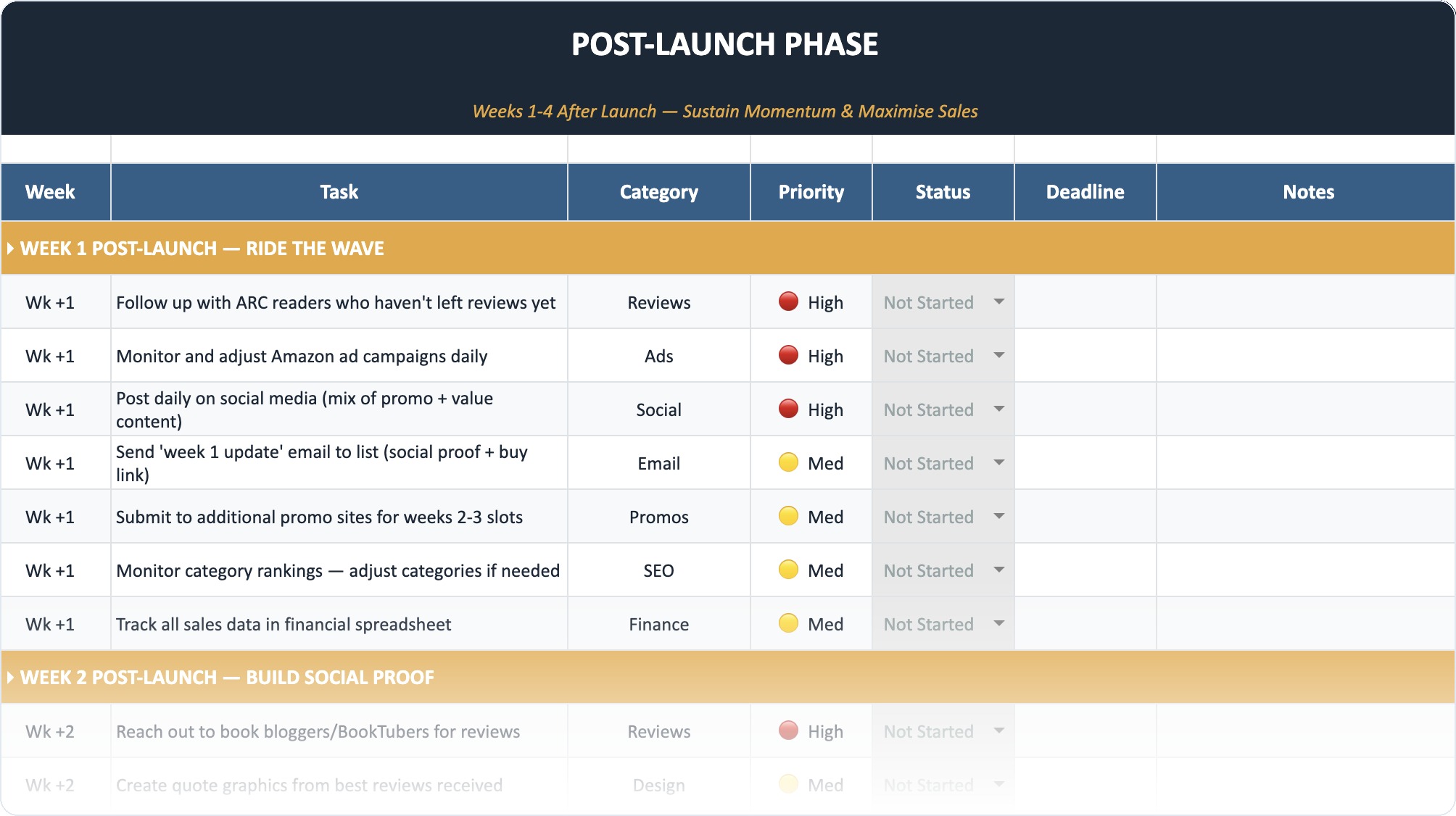
Technical Issues and Glitches in 2026
We cannot ignore the technical state of the platform. Goodreads is owned by Amazon, but it often feels like it runs on code from 2005.
In March 2025, users reported significant technical glitches where won books were disappearing from lists and links were failing to load.
When you pay for a service, you expect it to work. The instability of the platform is a valid concern. If you launch a giveaway during a glitch period, customer support is notoriously slow to respond or offer refunds. This adds a layer of risk to your marketing investment.
Competitors: Where Else Can You Give Books Away?
Goodreads is not the only game in town anymore. If the $119 price tag makes you cringe, consider these alternatives.
1. The Storygraph
The Storygraph has positioned itself as the "anti-Goodreads." It is smaller, cleaner, and has better data tools for readers. Giveaways on Storygraph are generally cheaper and attract a more engaged, data-nerd audience. You will get fewer entries, but the entrants are likely real readers, not bots.
2. LibraryThing
LibraryThing has been around forever. Their "Member Giveaway" program is robust. While the audience is smaller than Goodreads, the community is serious about cataloging and reviewing books.
3. BookFunnel (The Best for List Building)
If your goal is to build an email list, Goodreads is useless because they do not give you the winners' email addresses. BookFunnel is the superior choice here. You can join group promos or host your own giveaway where entry requires subscribing to your newsletter. You own the data.
4. Direct Social Media Giveaways
Why pay a middleman? You can host a giveaway on Instagram or TikTok. Use a tool like KingSumo or simply ask for comments. If you are struggling with what to post, check out our guide on Instagram Reels for Authors.
How to Maximize Your Goodreads Giveaway (If You Do It)
If you decide to proceed with a Goodreads giveaway, do not just set it and forget it. You need to optimize the listing to squeeze every ounce of value out of that $119.
1. Time It Correctly
Run the giveaway about one month before your launch or immediately at launch. You want the "Want to Read" adds to accumulate so that when launch day hits, there is social proof on your book page.
2. The Description Matters
Do not just copy-paste your blurb. Add a hook at the top specifically for the giveaway. "Enter to win the thriller that [Famous Author] called 'unputdownable'." Make them feel lucky to enter.
3. Use the Series Strategy
The best ROI comes from giving away Book 1 in a completed series. If you give away 100 copies of Book 1, and 20 people love it and read through to Book 3, you have made your money back. Giving away a standalone novel is much harder to monetize on the back end.
4. Leverage Physical Distribution
If you are doing a print giveaway, ensure your book looks professional. If you are using IngramSpark for distribution, make sure your quality settings are top-tier. Readers judge the physical quality harshly. For more on this, read up on book distribution and getting into stores, as the principles of quality apply here too.
The Verdict: Is It Worth It?
Yes, if:
- You have a marketing budget of over $1,000.
- You are launching a series.
- You value "Want to Read" adds and long-term visibility over quick cash.
- You need to wake up the Goodreads algorithm for a new pen name.
No, if:
- You are struggling to pay for editing or cover art. (Spend the money there instead).
- You expect a flood of reviews.
- You need immediate royalties to pay rent.
- You have not set up your other marketing channels yet.
Goodreads Giveaways are a billboard on a busy highway. Thousands of people will drive past it. Most will ignore it. Some will note the name. A few will exit the highway to buy the product. In 2026, it is an expensive billboard, but for authors looking to build a brand, sometimes visibility is the only currency that matters.
Frequently Asked Questions
Do Goodreads giveaways actually generate reviews?
They do, but the conversion rate is low. Expect between 5% and 25% of winners to leave a review. Many winners simply collect free books and never read them. You should view reviews as a lucky bonus, not the primary goal.
Can I run a giveaway for a Kindle ebook?
Yes. As of 2018, KDP authors can run giveaways for Kindle ebooks. This is often more cost-effective than print because you do not have to pay for shipping or individual book printing costs; you just pay the flat platform fee.
How much does a Goodreads giveaway cost in 2026?
The Standard package costs $119, which allows you to give away up to 100 copies of a Kindle ebook or unlimited print copies. The Premium package is roughly $599 and includes premium placement, though most indie authors find the Standard package sufficient.
Is the Premium package worth the extra money?
For most self-published authors, no. The extra visibility provided by the Premium tier rarely translates to enough additional sales to justify the $480 price difference. That money is usually better spent on direct advertising like Amazon Ads.
Can I limit the giveaway to specific countries?
Yes, for print books you can specify which countries you are willing to ship to (e.g., US, UK, Canada). For Kindle ebooks, the availability is determined by Amazon's territories, usually focusing on the US marketplace.
What happens to the "Want to Read" adds after the giveaway?
They stay on the users' profiles indefinitely. This is the biggest long-term benefit. When you discount your book later, Goodreads may notify these users, converting that "Want to Read" status into a sale.
META_DESCRIPTION: Struggling with book visibility? We break down the real ROI of Goodreads Giveaways in 2026. See the costs, review rates, and smart alternatives.